On June 6, 1889, a cabinetmaker's assistant in Seattle accidentally overturned a pot of boiling glue over wood shavings, igniting a inferno that consumed 31 city blocks of wooden buildings in what became known as the Great Seattle Fire.
Rather than rebuilding at original sea level—which was prone to frequent sewage backflows during high tides—city officials made a radical engineering decision: they would rebuild the entire commercial district 12 to 35 feet higher using massive concrete retaining walls along the road alignments.
Key Dossier Facts
- Event Date: Great Seattle Fire of June 6, 1889.
- Elevation Shift: Raised between 12 to 35 feet.
- Unique Artifact: Prism glass vault lights embedded in sidewalks to illuminate the lower level.
- Rediscovery Champion: Bill Speidel in 1965.
Ladders, Sidewalks, and Sunken Storefronts
Because property owners were anxious to reopen businesses immediately, they rebuilt their stone and brick structures at the old ground level while municipal crews erected retaining walls in the middle of the streets. For several years, pedestrians had to climb ladders to cross street intersections, walking past original storefront windows located below ground level.
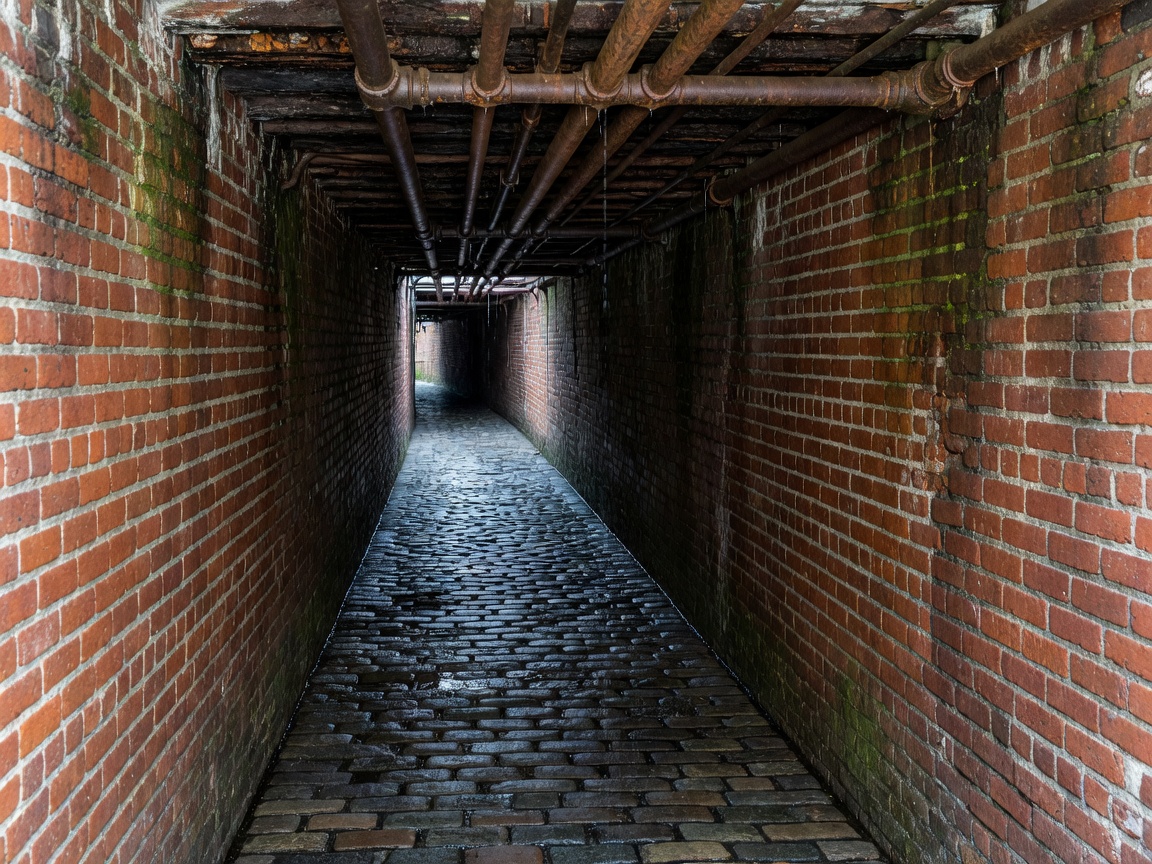
Eventually, concrete archways were cast over the gaps between the new streets and the building facades, capping the original lower sidewalks into dark subterranean corridors.
Prism Glass Sidewalk Vaults
To light the newly created dark passageways beneath, Victorian architects installed purple glass prisms—known as vault lights—into upper sidewalk pavement. These specialized purple glass lenses refracted daylight down into the buried shopfronts below.
Read historical archives directly at Seattle City Archives Official Repository.